
Case Study
Reducing Partner Dependency Through A Shift From High Touch Support To Self Serve Systems
Booking.com partners are travel companies of all sizes, from small agencies to large global corporations, that use Booking’s tools or white label solutions to manage their inventory and operations. They work closely with account managers to support their account, and depending on their partnership tier, they also receive direct support from Booking.com designers. In this project, I explain how I restructured the design work in the Partnerships department to meet growing partner demands and establish a more scalable and sustainable work model for the team.
Disclaimer: The perspectives and descriptions in this case study represent my own experience and do not necessarily reflect the official views of the company.

Booking.com, 2022
Booking.com is a global travel platform that enables customers and partners to book, manage, and distribute accommodations, transportation, and travel experiences at scale.

Design Manager
A Leader of the Amsterdam based UX team of four designers, as well as the Operations Design team of eight designers across EMEA, US, and APAC.

Partner Portal
A platform designed for more than 20,000 travel companies of varying sizes that distribute Booking.com inventory, including airlines, car rental providers, and large corporate travel platforms.
The Crux
Low Tier Partners Required High Tier Support
The core issue that I was solving for, was that lower tier partners, especially Bronze and Silver, required the same level of hands on support as top tier partners. Although support agreements differed, the outdated white label product and unreliable widgets affected every tier in the same way. The tools did not align with partners’ design needs or technical capabilities, which meant even small partners with minimal booking volume needed direct help from Booking.com designers to complete routine tasks. This created a support model that could not scale and consumed capacity that prevented the team from focusing on new developments.

Proposed Solution
Scalable Self Serve System That Reduces Support Load
I proposed creating a new self serve partner portal that would allow partners to build and maintain their travel products independently. The portal would include tools for managing their partnership, as well as a marketplace with widgets, APIs, and reward programs to meet evolving partner needs. This approach also created a foundation for smoother scaling and future contributions from external developers.
Defining The Vision With A Structured Design Sprint
4 Focused Sprint Groups
In order to move toward a true self serve model, I initiated a design sprint that brought together the entire UX and product community within the Partnerships department. I formed four groups constructed of mixed roles and teams, each focused on a specific user within the partner organization, such as developers, marketers, account managers, and product owners.

Building A Team of Leaders
Each sprint group was led by one of the UX designers in my team, and I coached them on how to guide their groups with confidence and clarity. This approach turned the sprint into a leadership development moment, giving each designer ownership of the full process and allowing them to practice facilitating discussions, shaping direction, and making decisions within their domain.

Establishing a Feedback Loop
To ground the sprint in real partner needs, I partnered with our Lead Marketing Manager to build a reliable pool of partners we could interview, both during the sprint and in future cycles. This ensured each group could validate their ideas directly with the users they were designing for, and created an ongoing feedback channel that continued even after the sprint ended.
A Taste of the Sprint Outcomes
Account Setup
Huan Colino led his sprint group in designing an account setup flow for partner account managers who need a clear and efficient way to set up their partnership accounts.
Marketplace
Bradley Walker led his sprint group in designing a marketplace experience that allows partner product owners to explore widgets, review reward programs, assess APIs, and make informed decisions independently.
Product Setup
Svetlana Iagodina led her sprint group in designing a product visual setup flow for partner marketers who need to create and customize web pages for their travel offerings.

Nina Toiviainen
Senior Operations Manager
Hadar did truly impressive work building her team and supporting each team member in their personal and professional development. She brought much needed structure for the team, strengthening the foundations with streamlined team routines and clear and improved processes, including stakeholder management with the Partnerships commercial and product teams.
Read Full Recommendation on Linkedin →
Turning Sprint Momentum Into a Scalable Plan
After the sprint, I created a design strategy that allowed us to build the new platform without delaying the ongoing work required to maintain our existing partnerships. I translated this strategy into a set of concrete projects, mapped them on a timeline, and aligned the plan with the Product Director. I then assigned ownership of each project to a UX designer so they could drive their track forward with clarity. To support this process, I introduced bi weekly design chapters where the team presented progress, shared challenges, and offered structured feedback. These sessions created a consistent review rhythm and kept the platform cohesive.
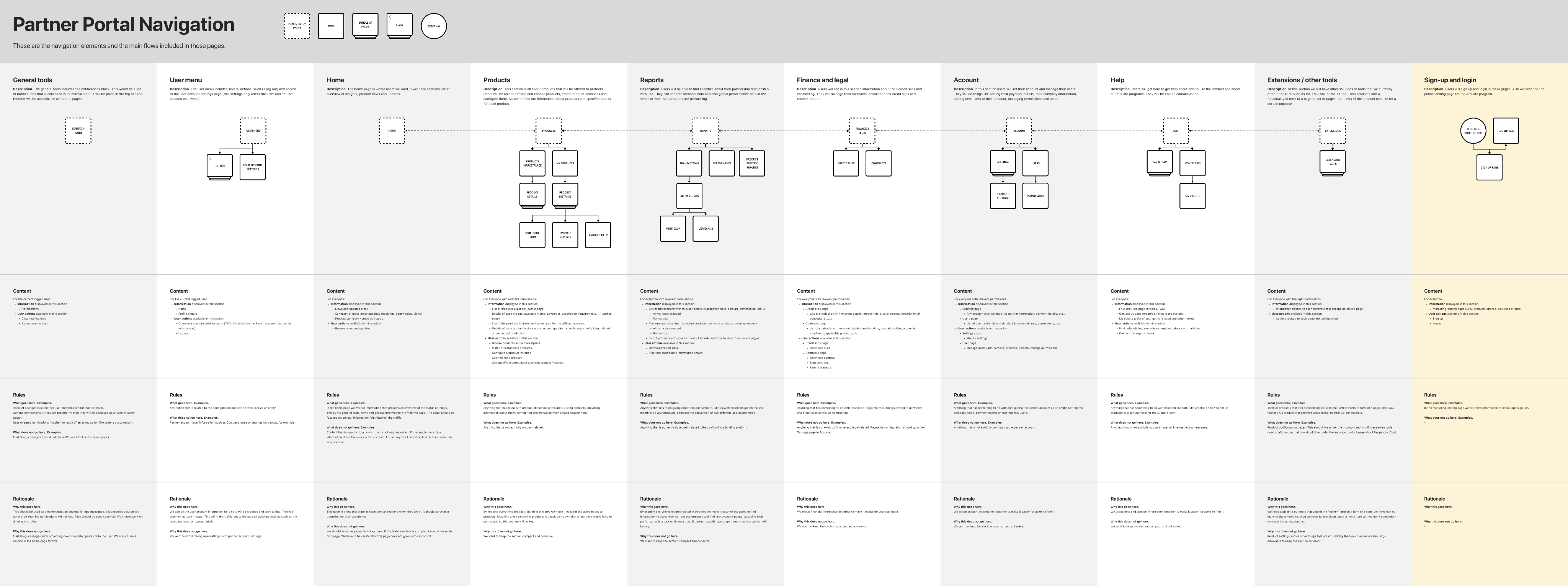
Navigation Mapping
Navigation mapping created by Huan Colino, outlining the desired structure of the partner portal and identifying the key pages required for the self serve experience. We used this map as an ancore to
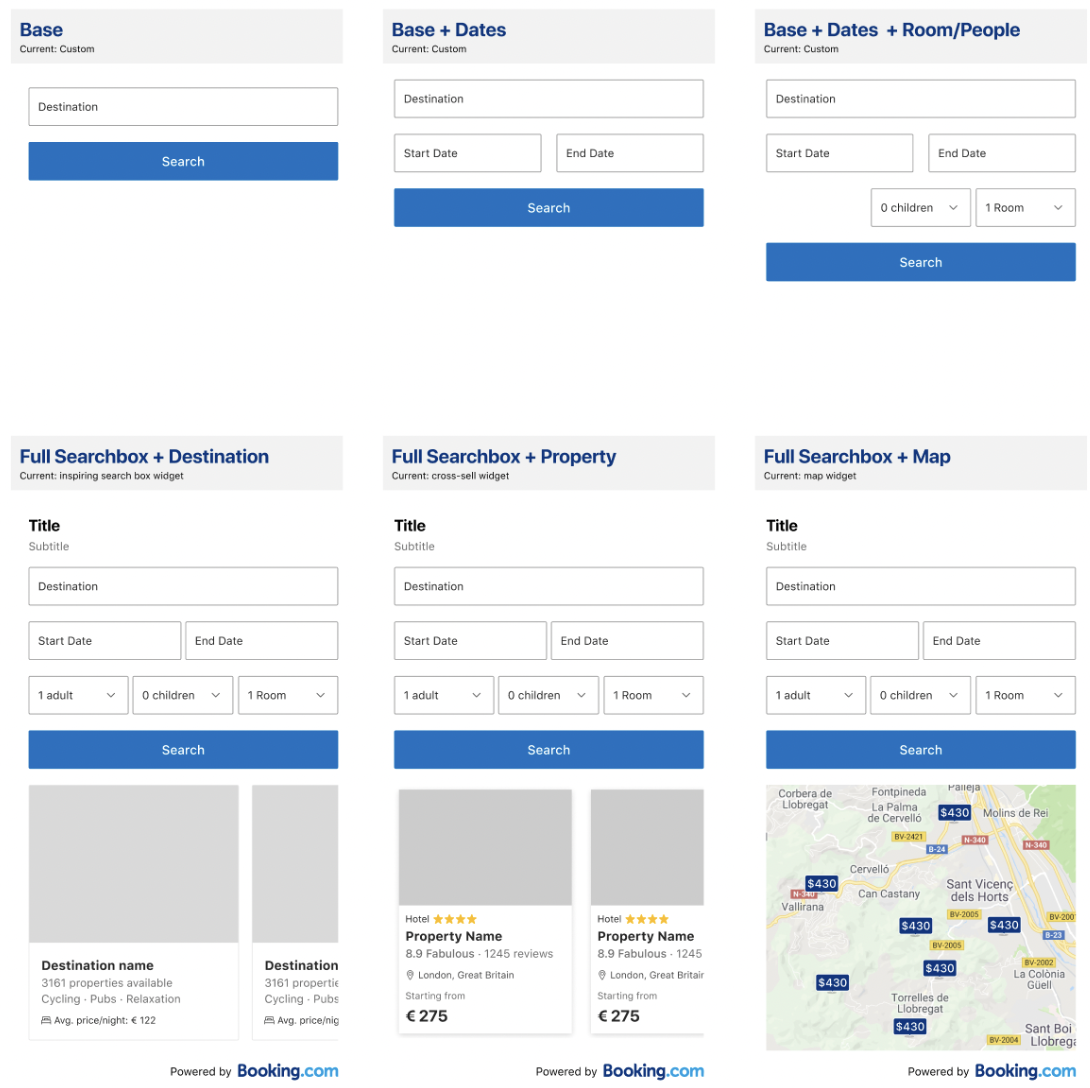
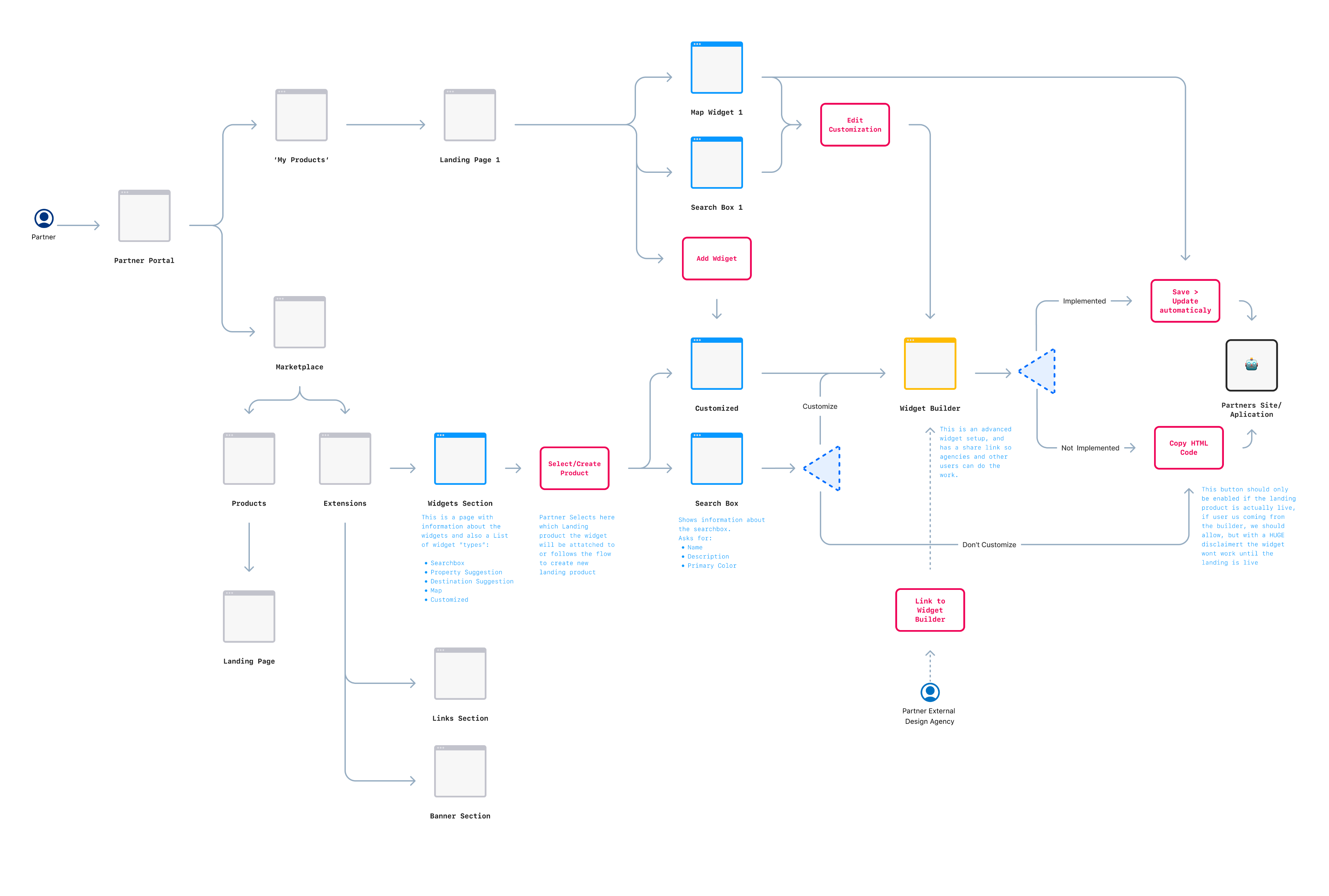
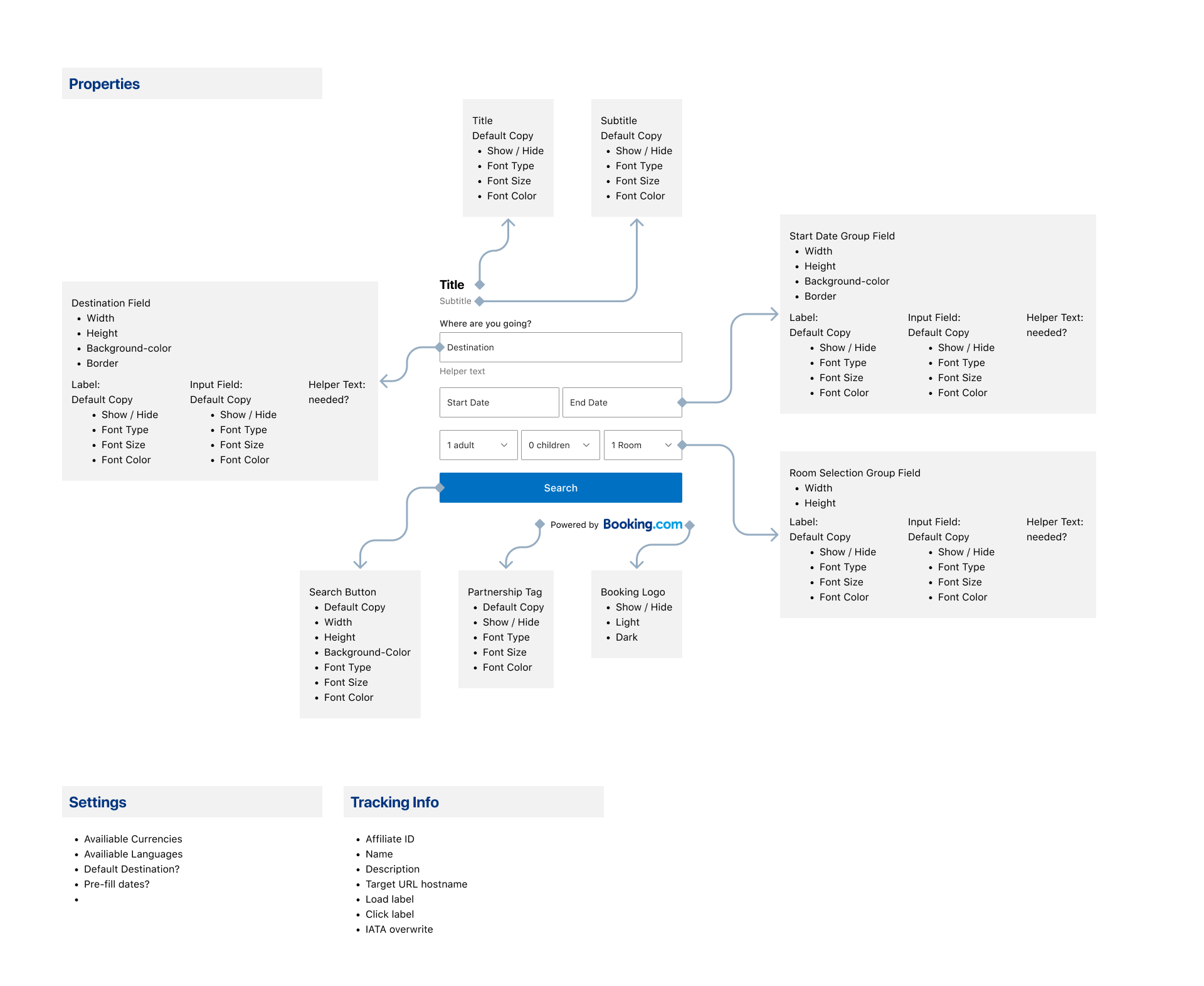
Scalable Widget Framework
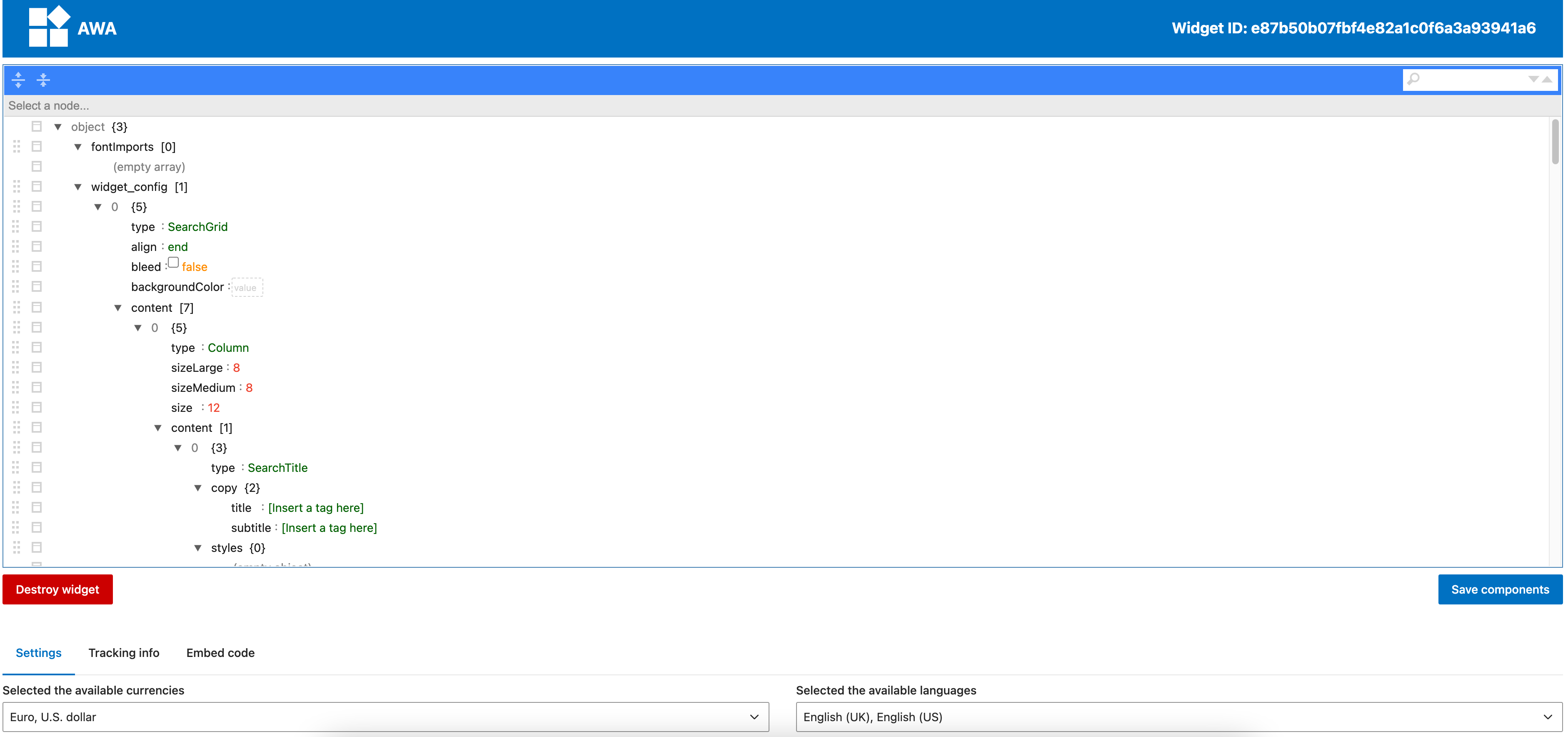
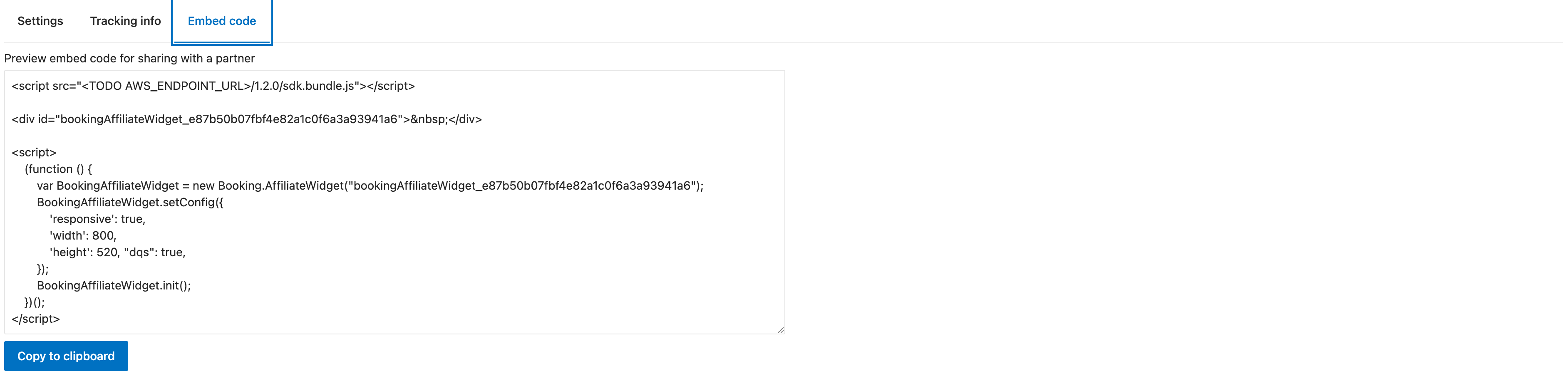
Designed by Julia Caldas, this work broke the partner widgets into individual components, mapped every possible configuration, and defined the flows needed for each widget . We used this work as requirements for development, so partners can implement them independently.
Front End Design
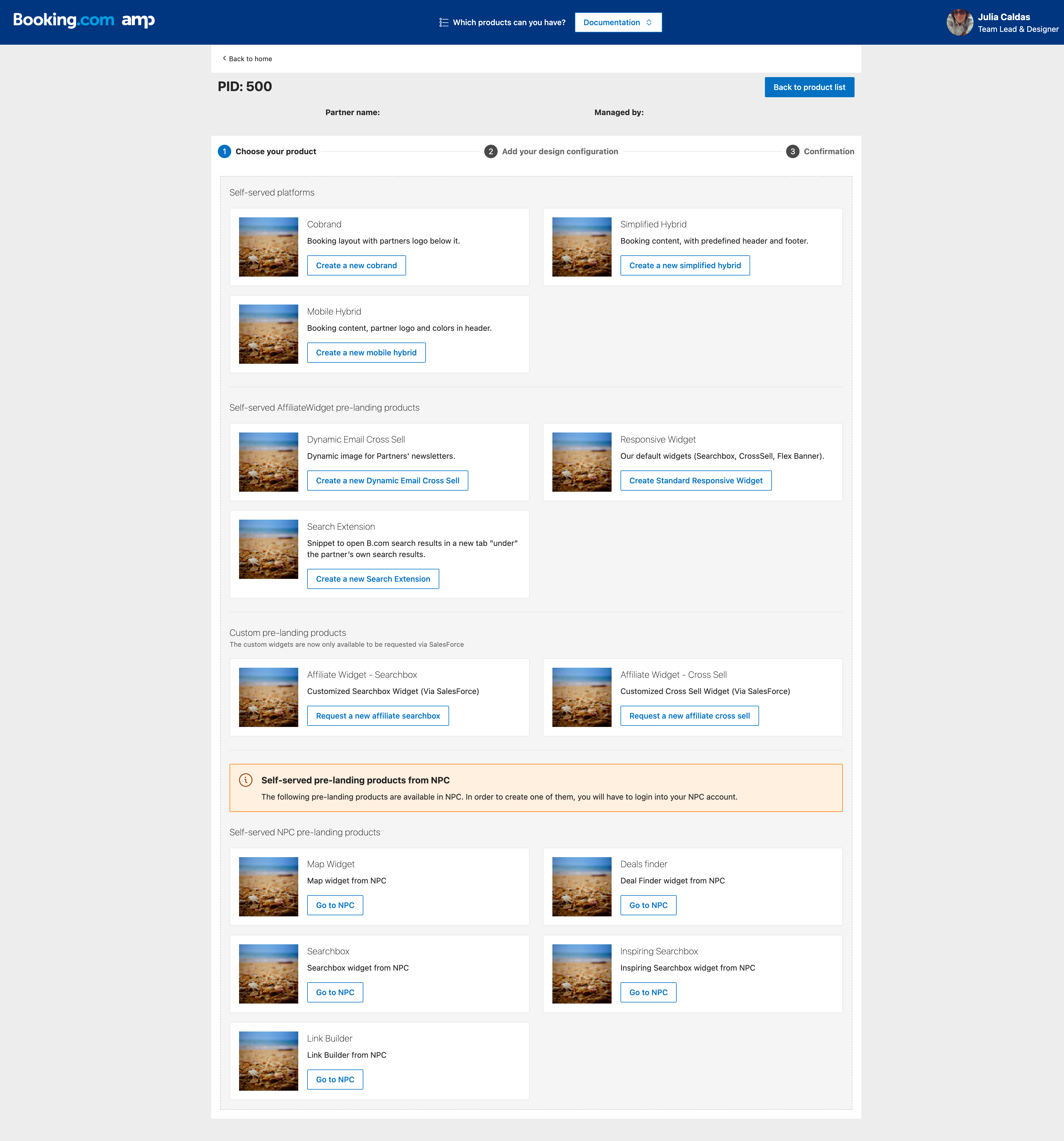
I led Svetlana Iagodina in creating modern front end components that partners can select from, ensuring they align with backend options and replace outdated elements with more consistent and compelling alternatives. We measured success through A B testing and complemented it with user testing to gather qualitative insights.

Upasana Natarajan
Web Designer, US
Hadar’s most lasting contribution has been to unify our team. After initially assessing our individual areas of knowledge, strength, and improvement, she constructed a team project plan. She helped each of us overcome blockers in our projects, and taught us to keep iterating on our ways of working with each other and commercial stakeholders. These changes helped solidify us into a team of leaders and learners, spread partnerships knowledge and growth opportunities to all designers, reduced individual over- or under-utilization, increased go-to-market speed of products, and reminded us all that our work could be challenging AND fun.
Read Full Recommendation on Linkedin →
Rebuilding the Commercial Design Team
Before standardization, each operational designer supported a specific region, which led to uneven workloads and inefficiency. High volume markets like the US created constant pressure, while designers in quieter regions had significantly fewer requests to handle. Once components became unified and no longer required region specific handling, this structure no longer made sense.
I reorganized the team into a global twenty four hour support model, where any designer could pick up work from any region. I introduced new response processes and clearer documentation to support this shift, and account managers, especially in the US, immediately felt the improvement through faster, more balanced support.

Around the Clock Design Support
I reorganized the team into a global twenty-four-hour support model, where any designer could pick up work from any region. I introduced new response processes and clearer documentation to support this shift, and account managers, especially in the US, immediately felt the improvement through faster, more balanced support.

Role and Skill Development
Shifting to a twenty four hour support model reduced the workload on operational designers enough to open new career paths. I supported two team members through promotions into newly defined roles to meet the new design demands, one as a team lead and one as a junior UX designer, and guided them through the transition so they could grow with confidence and contribute at a higher level.

Sunset Internal Products
The commercial design team relied on internal tools to support partners, which required ongoing maintenance and slowed the flow of work. I worked to enable the same capabilities directly in the partner facing tools and removed them from the internal system, allowing partners to complete more tasks independently. This reduced pressure on the team, strengthened partner autonomy, and lowered maintenance needs. In the first month alone we removed more than five thousand lines of code, reflecting a leaner and more efficient system.
Results and Impact
Enhancing Efficiency And Reducing Dependency

Improved Design Efficiency
Measured through faster response times to partner tickets and a more balanced distribution of workload, reflected in the overall reduction in ticket volume handled by designers.
Reduced Support Dependency
Tracked through a decrease in support tickets, shorter call times, and a higher ratio of partners that account managers could support without design intervention.
Improved Frontend Performance
Evaluated through A/B testing of new components, measuring engagement, adoption, and overall partner interaction quality in the refreshed frontend experience.
Key Takeaway
Empowering Users Starts With Empowering The Design Team
This project showed me how much progress a team can unlock when they have a clear strategy, clear ownership, and the right structure to support their ideas. By aligning designers across regions, creating a common process, and turning self serve into our guiding principle, the team found new confidence and momentum. It reinforced for me that enabling others, not doing the work alone, is what truly accelerates impact at scale.

Reducing Partner Dependency Through A Shift From High Touch Support To Self Serve Systems
Booking.com partners are travel companies of all sizes, from small agencies to large global corporations, that use Booking’s tools or white label solutions to manage their inventory and operations. They work closely with account managers to support their account, and depending on their partnership tier, they also receive direct support from Booking.com designers. In this project, I explain how I restructured the design work in the Partnerships department to meet growing partner demands and establish a more scalable and sustainable work model for the team.
Disclaimer: The perspectives and descriptions in this case study represent my own experience and do not necessarily reflect the official views of the company.
Booking.com, 2022
Booking.com is a global travel platform that enables customers and partners to book, manage, and distribute accommodations, transportation, and travel experiences at scale.

Design Manager
A Leader of the Amsterdam based UX team of four designers, as well as the Operations Design team of eight designers across EMEA, US, and APAC.
Partner Portal
A platform designed for more than 20,000 travel companies of varying sizes that distribute Booking.com inventory, including airlines, car rental providers, and large corporate travel platforms.
The Crux
Low Tier Partners Required High Tier Support
The core issue that I was solving for, was that lower tier partners, especially Bronze and Silver, required the same level of hands on support as top tier partners. Although support agreements differed, the outdated white label product and unreliable widgets affected every tier in the same way. The tools did not align with partners’ design needs or technical capabilities, which meant even small partners with minimal booking volume needed direct help from Booking.com designers to complete routine tasks. This created a support model that could not scale and consumed capacity that prevented the team from focusing on new developments.
Proposed Solution
Scalable Self Serve System That Reduces Support Load
I proposed creating a new self serve partner portal that would allow partners to build and maintain their travel products independently. The portal would include tools for managing their partnership, as well as a marketplace with widgets, APIs, and reward programs to meet evolving partner needs. This approach also created a foundation for smoother scaling and future contributions from external developers.
Defining The Vision With A Structured Design Sprint
4 Focused Sprint Groups
In order to move toward a true self serve model, I initiated a design sprint that brought together the entire UX and product community within the Partnerships department. I formed four groups constructed of mixed roles and teams, each focused on a specific user within the partner organization, such as developers, marketers, account managers, and product owners.
Building A Team of Leaders
Each sprint group was led by one of the UX designers in my team, and I coached them on how to guide their groups with confidence and clarity. This approach turned the sprint into a leadership development moment, giving each designer ownership of the full process and allowing them to practice facilitating discussions, shaping direction, and making decisions within their domain.
Establishing a Feedback Loop
To ground the sprint in real partner needs, I partnered with our Lead Marketing Manager to build a reliable pool of partners we could interview, both during the sprint and in future cycles. This ensured each group could validate their ideas directly with the users they were designing for, and created an ongoing feedback channel that continued even after the sprint ended.
A Taste of the Sprint Outcomes
Account Setup
Huan Colino led his sprint group in designing an account setup flow for partner account managers who need a clear and efficient way to set up their partnership accounts.
Marketplace
Bradley Walker led his sprint group in designing a marketplace experience that allows partner product owners to explore widgets, review reward programs, assess APIs, and make informed decisions independently.
Product Setup
Svetlana Iagodina led her sprint group in designing a product visual setup flow for partner marketers who need to create and customize web pages for their travel offerings.
Nina Toiviainen
Senior Operations Manager
Hadar did truly impressive work building her team and supporting each team member in their personal and professional development. She brought much needed structure for the team, strengthening the foundations with streamlined team routines and clear and improved processes, including stakeholder management with the Partnerships commercial and product teams.
Read Full Recommendation on Linkedin →
Turning Sprint Momentum Into a Scalable Plan
After the sprint, I created a design strategy that allowed us to build the new platform without delaying the ongoing work required to maintain our existing partnerships. I translated this strategy into a set of concrete projects, mapped them on a timeline, and aligned the plan with the Product Director. I then assigned ownership of each project to a UX designer so they could drive their track forward with clarity. To support this process, I introduced bi weekly design chapters where the team presented progress, shared challenges, and offered structured feedback. These sessions created a consistent review rhythm and kept the platform cohesive.
Navigation Mapping
Navigation mapping created by Huan Colino, outlining the desired structure of the partner portal and identifying the key pages required for the self serve experience. We used this map as an ancore to
Scalable Widget Framework
Designed by Julia Caldas, this work broke the partner widgets into individual components, mapped every possible configuration, and defined the flows needed for each widget . We used this work as requirements for development, so partners can implement them independently.
Front End Design
I led Svetlana Iagodina in creating modern front end components that partners can select from, ensuring they align with backend options and replace outdated elements with more consistent and compelling alternatives. We measured success through A B testing and complemented it with user testing to gather qualitative insights.
Upasana Natarajan
Web Designer, US
Hadar’s most lasting contribution has been to unify our team. After initially assessing our individual areas of knowledge, strength, and improvement, she constructed a team project plan. She helped each of us overcome blockers in our projects, and taught us to keep iterating on our ways of working with each other and commercial stakeholders. These changes helped solidify us into a team of leaders and learners, spread partnerships knowledge and growth opportunities to all designers, reduced individual over- or under-utilization, increased go-to-market speed of products, and reminded us all that our work could be challenging AND fun.
Read Full Recommendation on Linkedin →
Rebuilding the Commercial Design Team
Before standardization, each operational designer supported a specific region, which led to uneven workloads and inefficiency. High volume markets like the US created constant pressure, while designers in quieter regions had significantly fewer requests to handle. Once components became unified and no longer required region specific handling, this structure no longer made sense.
I reorganized the team into a global twenty four hour support model, where any designer could pick up work from any region. I introduced new response processes and clearer documentation to support this shift, and account managers, especially in the US, immediately felt the improvement through faster, more balanced support.
Around the Clock Design Support
I reorganized the team into a global twenty-four-hour support model, where any designer could pick up work from any region. I introduced new response processes and clearer documentation to support this shift, and account managers, especially in the US, immediately felt the improvement through faster, more balanced support.
Role and Skill Development
Shifting to a twenty four hour support model reduced the workload on operational designers enough to open new career paths. I supported two team members through promotions into newly defined roles to meet the new design demands, one as a team lead and one as a junior UX designer, and guided them through the transition so they could grow with confidence and contribute at a higher level.
Sunset Internal Products
The commercial design team relied on internal tools to support partners, which required ongoing maintenance and slowed the flow of work. I worked to enable the same capabilities directly in the partner facing tools and removed them from the internal system, allowing partners to complete more tasks independently. This reduced pressure on the team, strengthened partner autonomy, and lowered maintenance needs. In the first month alone we removed more than five thousand lines of code, reflecting a leaner and more efficient system.
Results and Impact
Enhancing Efficiency And Reducing Dependency
Improved Design Efficiency
Measured through faster response times to partner tickets and a more balanced distribution of workload, reflected in the overall reduction in ticket volume handled by designers.
Reduced Support Dependency
Tracked through a decrease in support tickets, shorter call times, and a higher ratio of partners that account managers could support without design intervention.
Improved Frontend Performance
Evaluated through A/B testing of new components, measuring engagement, adoption, and overall partner interaction quality in the refreshed frontend experience.
Key Takeaway
Empowering Users Starts With Empowering The Design Team
This project showed me how much progress a team can unlock when they have a clear strategy, clear ownership, and the right structure to support their ideas. By aligning designers across regions, creating a common process, and turning self serve into our guiding principle, the team found new confidence and momentum. It reinforced for me that enabling others, not doing the work alone, is what truly accelerates impact at scale.
Case Study
Reducing Partner Dependency Through A Shift From High Touch Support To Self Serve Systems
Booking.com partners are travel companies of all sizes, from small agencies to large global corporations, that use Booking’s tools or white label solutions to manage their inventory and operations. They work closely with account managers to support their account, and depending on their partnership tier, they also receive direct support from Booking.com designers. In this project, I explain how I restructured the design work in the Partnerships department to meet growing partner demands and establish a more scalable and sustainable work model for the team.
Disclaimer: The perspectives and descriptions in this case study represent my own experience and do not necessarily reflect the official views of the company.
Booking.com, 2022
Booking.com is a global travel platform that enables customers and partners to book, manage, and distribute accommodations, transportation, and travel experiences at scale.
Design Manager
A Leader of the Amsterdam based UX team of four designers, as well as the Commercial Design team of eight designers across EMEA, US, and APAC.
Partner Portal
A platform designed for more than 20,000 travel companies of varying sizes that distribute Booking.com inventory, including airlines, car rental providers, and large corporate travel platforms.
The Crux
Low Tier Partners Required High Tier Support
The problem I uncovered was that lower tier partners, especially Bronze and Silver, required the same level of hands on support as top tier partners such as Gold and Gold Plus. Although their support agreements differed, the outdated white label product and unreliable widgets created the same friction for every tier. The tools did not align with partners’ design needs or technical capabilities, which meant even small partners with minimal booking volume depended on Booking.com for routine tasks. This dependency placed constant pressure on designers and account managers, and prevented the team from focusing on new product work and scaling the offering.
Proposed Solution
Scalable Self Serve System That Reduces Support Load
I proposed creating a new self serve partner portal that would allow partners to build and maintain their travel products independently. The portal would include tools for managing their partnership, as well as a marketplace with widgets, APIs, and reward programs to meet evolving partner needs. This approach also created a foundation for smoother scaling and future contributions from external developers.
Defining The Vision With A Structured Design Sprint
4 Focused Sprint Groups
In order to move toward a true self serve model, I initiated a design sprint that brought together the entire UX and product community within the Partnerships department. I formed four groups constructed of mixed roles and teams, each focused on a specific user within the partner organization, such as developers, marketers, account managers, and product owners.
Building A Team of Leaders
Each sprint group was led by one of the UX designers in my team, and I coached them on how to guide their groups with confidence and clarity. This approach turned the sprint into a leadership development moment, giving each designer ownership of the full process and allowing them to practice facilitating discussions, shaping direction, and making decisions within their domain.
Establishing a Feedback Loop
To ground the sprint in real partner needs, I partnered with our Lead Marketing Manager to build a reliable pool of partners we could interview, both during the sprint and in future cycles. This ensured each group could validate their ideas directly with the users they were designing for, and created an ongoing feedback channel that continued even after the sprint ended.
A Taste of the Sprint Outcomes
Account Setup
Huan Colino led his sprint group in designing an account setup flow for partner account managers who need a clear and efficient way to set up their partnership accounts.
Product Setup
Svetlana Iagodina led her sprint group in designing a product visual setup flow for partner marketers who need to create and customize web pages for their travel offerings.
Marketplace
Bradley Walker led his sprint group in designing a marketplace experience that allows partner product owners to explore widgets, review reward programs, assess APIs, and make informed decisions independently.
Nina Toiviainen
Senior Operations Manager

Hadar did truly impressive work building her team and supporting each team member in their personal and professional development. She brought much needed structure for the team, strengthening the foundations with streamlined team routines and clear and improved processes, including stakeholder management with the Partnerships commercial and product teams.
Read Full Recommendation on Linkedin →
Turning Sprint Momentum Into a Scalable Plan
After the sprint, I created a design strategy that allowed us to build the new platform without delaying the ongoing work required to maintain our existing partnerships. I translated this strategy into a set of concrete projects, mapped them on a timeline, and aligned the plan with the Product Director. I then assigned ownership of each project to a UX designer so they could drive their track forward with clarity. To support this process, I introduced bi weekly design chapters where the team presented progress, shared challenges, and offered structured feedback. These sessions created a consistent review rhythm and kept the platform cohesive.
Navigation Mapping
I guided Huan Colino in creating a map that outlined the structure of the partner portal and identified the key pages needed for the self serve experience. We used this map as an anchor to track progress and decide on next steps.
Scalable Widget Framework
I guided Julia Caldas in breaking the partner widgets into individual components, mapping every possible configuration, and defining the flows needed for each widget so partners could implement them independently. We used this work as the foundation for development guidelines across all widget objects.
Front End Design
I led Svetlana Iagodina in creating modern front end components that partners can select from, ensuring they align with backend options and replace outdated elements with more consistent and compelling alternatives. We measured success through A B testing and complemented it with user testing to gather qualitative insights.
Upasana Natarajan
Web Designer, US
Hadar’s most lasting contribution has been to unify our team. After initially assessing our individual areas of knowledge, strength, and improvement, she constructed a team project plan. She helped each of us overcome blockers in our projects, and taught us to keep iterating on our ways of working with each other and commercial stakeholders. These changes helped solidify us into a team of leaders and learners, spread partnerships knowledge and growth opportunities to all designers, reduced individual over- or under-utilization, increased go-to-market speed of products, and reminded us all that our work could be challenging AND fun.
Read Full Recommendation on Linkedin →
Rebuilding the Commercial Design Team
To free designers to work on the new portal, we needed to improve the efficiency of partner ticket support. Before this change, each designer on the commercial team was assigned to a specific region, which created uneven workloads and inefficiency. Markets with high ticket volume, such as the US, placed constant pressure on designers, while quieter regions generated far fewer requests.
Around the Clock Design Support
I reorganized the team into a global twenty-four-hour support model, where any designer could pick up work from any region. I introduced new response processes and clearer documentation to support this shift, and account managers, especially in the US, immediately felt the improvement through faster, more balanced support.
Role and Skill Development
Shifting to a twenty four hour support model balanced workloads across regions and reduced the operational burden enough to create space for career growth. This allowed me to open new roles aligned with the evolving design needs. I supported two team members through promotions, one into a team lead position and one into a junior UX designer role, and guided them through the transition.
Sunset Internal Products
The commercial design team relied on internal tools to support partners, which required ongoing maintenance and slowed the flow of work. I worked to enable the same capabilities directly in the partner facing tools and removed them from the internal system, allowing partners to complete more tasks independently. This reduced pressure on the team, strengthened partner autonomy, and lowered maintenance needs. In the first month alone we removed more than five thousand lines of code, reflecting a leaner and more efficient system.
Results and Impact
Enhancing Efficiency And Reducing Dependency
Improved Design Efficiency
Measured through faster response times to partner tickets and a more balanced distribution of workload, reflected in the overall reduction in ticket volume handled by designers.
Reduced Support Dependency
Tracked through a decrease in support tickets, shorter call times, and a higher ratio of partners that account managers could support without design intervention.
Improved Frontend Performance
Evaluated through A/B testing of new components, measuring engagement, adoption, and overall partner interaction quality in the refreshed frontend experience.
Key Takeaway
Empowering Users Starts With Empowering The Design Team
This project showed me how much progress a team can unlock when they have a clear strategy, clear ownership, and the right structure to support their ideas. By aligning designers across regions, creating a common process, and turning self serve into our guiding principle, the team found new confidence and momentum. It reinforced for me that enabling others, not doing the work alone, is what truly accelerates impact at scale.